



The Market
More openings, fewer hires
US job openings hit 7.6 million in April 2026, the highest in nearly two years. Completed hires have fallen every year since 2022, and the average job search now takes 108 days.
 Hassan Abbas · June 4, 2026 · 2 min read

On this page
The opening is not an offer
In April 2026, the US had 7.618 million job openings, the highest since November 2024, and more openings than job seekers for the first time in nearly a year. That is the headline. The hiring data sitting underneath it tells a different story.
BambooHR's State of Hiring 2026 analyzed more than 72 million job applications and 1 million postings. Completed hires declined every year from 2022 through 2025, falling from 1.34 million to 1.05 million, a drop of more than 20 percent. The monthly hiring rate fell from 4.5 percent to 2.8 percent over the same period. At the same time, applicants per posting nearly doubled, from 46 in 2021 to 95 in 2025.
More openings. More applicants. Fewer hires.
The confidence gap
The Bureau of Labor Statistics reported in April 2026 that overall hires fell to 5.12 million, a broad-based decline after a strong March. Quits fell to their lowest level in nearly six years.
The quit rate is the labor market's closest thing to a confidence index. When workers stop leaving jobs, they have stopped believing they can find a better one. Right now, that number reads low.
The conversion problem
Huntr's Q1 2026 Job Search Trends report found the median time from search start to first offer reached 108 days, up 30 percent from Q4 2025. Conversion rates track inversely with volume: candidates sending 11 to 20 applications converted to interviews at 9.25 percent. Those sending 100 or more converted at 2.58 percent. The average job posting receives 242 applications (BambooHR, 2026).
Sending more applications does not improve the odds. It worsens them.
What changes the outcome
The gap between openings and completed hires is structural. A job seeker competing against 241 identical applications on every posting needs a different approach, not a higher volume.
CoBlack matches each application to the actual requirements of a role, not just the title. Relevance is what moves the needle. Volume is what buries it.
Keep reading
More from The Market →
The 10 best job application platforms in 2026, tested
An honest ranked list from our 53-tool research: autonomy, application quality, job source, pricing, and privacy. CoBlack is first; here is the open test.
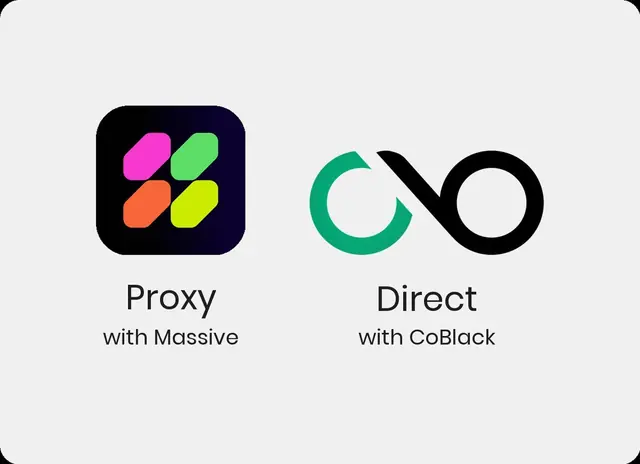
Massive routes your mail. CoBlack sends it straight
Massive is a server-side auto-apply service, but it routes recruiter replies through a proxy inbox and carries a 2.1 Trustpilot score against a 4.

Holding on
Job openings hit a two-year high in May 2026, yet almost no one moved to take them. A trend called job hugging has workers clinging to roles they don't love.

The frozen market
Job openings are near a two-year high, yet the quits rate has slid to 1.9 percent.

Trust, Broken
Forty-six percent of job seekers say their trust in the hiring process has dropped over the past year.