




34 articles by Hassan

The benefits ran out first
Labor Department tables for the second quarter of 2026 put the share of regular state claimants whose unemployment benefits run out in full at 39 percent.


Jobs hold, searches stretch
The September jobs report shows layoffs and announced cuts low, while 27.1 percent of the unemployed had searched 27 weeks or more, up from 23.6 a year ago.

Fewer new faces
Median employee tenure rose to 4.1 years as the share of workers new to their employer in the past year fell to 20.6 percent, BLS January 2026 data show.

Holiday hiring shrinks again
Challenger forecasts 450,000 seasonal retail jobs for Q4 2026, below last year's smallest holiday hiring gain since 2008. The season still has doors.

The price of staying
ADP’s August 2026 data shows job switchers’ gross pay grew 7.3 percent against 4.4 percent for stayers. With quits near lows, few collect the gap.

The rebound hired somewhere else
The August jobs report tripled forecasts at 162,000, but growth landed in restaurants and school payrolls while the hires rate hit its lowest since February.

The revision that shrank
The August 28 jobs report revision trimmed March 2026 payrolls by 79,000, one eleventh of last year’s cut. The total held. The sectors did not.

Everything rose except the offer
Job offer expectations fell to 18.0 percent in July 2026, the lowest since March 2021, even as more Americans searched and confidence in the market rose.

One country, many job markets
The US unemployment rate was 4.2 percent in June. Read the job market by state and it ran from 2.0 to 6.0 percent, with metro areas spread wider still.

The openings nobody filled
More than 1 in 5 open positions close with nobody hired. Unfilled job openings are at their highest level since 2023, and the wait got longer.

The on-ramp narrowed
Job openings and layoffs barely moved in June. Underneath, a hospitality hiring slowdown pulled hires in the sector to their lowest level since early 2025.

Who gets counted
Job search statistics in 2026 tell two stories. New hires needed 16 applications and five weeks. Active seekers wait 108 days for a first offer.

The job outgrew the title
OpenAI read 800,000 work messages and found 43.5% of job-specific requests were another profession’s work. Crossing job boundaries is now ordinary.

Rarely fired, rarely hired
Jobless claims just hit a near 60-year low, but that number only counts layoffs. By the measure that tracks hiring, this market is far from strong.

The CoBlack Index: three in ten open jobs are at least 90 days old, July 2026
CoBlack verified 139,054 open job postings at the source. Three in ten have been open at least 90 days, and one in three still does not state pay.

Where the jobs actually are
Nearly all of June’s job growth came from two sectors: health care and social assistance. In 2026, where the jobs are is a story about concentration.
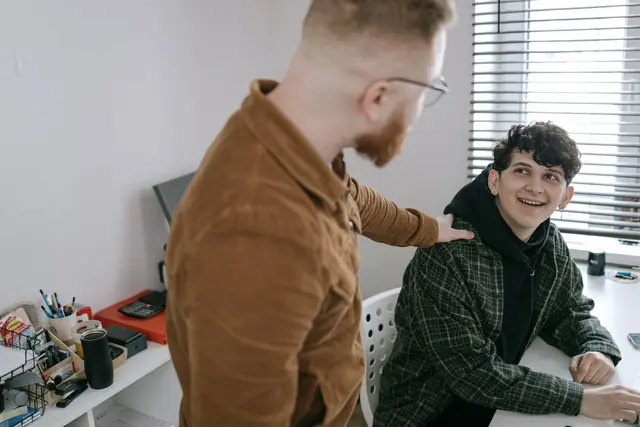
What does an AI career assistant actually do?
The early work of a career counselor, priced into the product: drawing out what you offer and wiring it into the engine that applies for you.

Skills, in name only
Seventy percent of employers say they hire on skills now. A look at the data shows how much of that is real, and how much is language.

The wrong kind of drop
The June jobs report kept unemployment at 4.2 percent. It held because 720,000 people left the labor force, not because they found work.

Holding on
Job openings hit a two-year high in May 2026, yet almost no one moved to take them. A trend called job hugging has workers clinging to roles they don't love.

The shrinking raise
Pay rose 3.4 percent in the year to May 2026. Prices rose 4.2 percent. After inflation, real wages fell for the second straight month.

Outnumbered
Recruiters now handle 93 percent more applications with 14 percent smaller teams. Only 0.5 percent of applicants are hired. The bottleneck is human.

Same on paper
AI made applications easy to produce and nearly impossible to tell apart. Employers are turning back to in-person interviews to find the person behind the page.

The frozen market
Job openings are near a two-year high, yet the quits rate has slid to 1.9 percent.

The graduate gap
A new college degree now carries higher unemployment than the workforce average. New York Fed research points to an unexpected cause.

Three years running
The US unemployment rate says the market is stable. For white collar jobs in finance and professional services, three years of data tell a different story.

The hidden split
The May 2026 jobs report added 172,000 jobs. Leisure and hospitality carried most of it.

More openings, fewer hires
US job openings hit 7.6 million in April 2026, the highest in nearly two years. Completed hires have fallen every year since 2022, and the average job search now takes 108 days.

Six months in
One in four US job seekers has been out of work for six months or more. The 4.3 percent unemployment rate does not show that.

How to get hired faster
Getting hired faster is not about applying more. It is about clarity, early action, and removing the steps that slow you down.

Low-stress, high-paying roles
High pay and low stress are not mutually exclusive. Here is what these roles have in common, what they pay, and how to assess whether one fits you.

Stand out and get hired
Meeting requirements is the floor. Standing out requires a different approach to your resume, your network, and how you show up in interviews.

Built for People
Enhance, not replace. Why CoBlack points AI at keeping people relevant, employed, and moving forward instead of cutting them out.
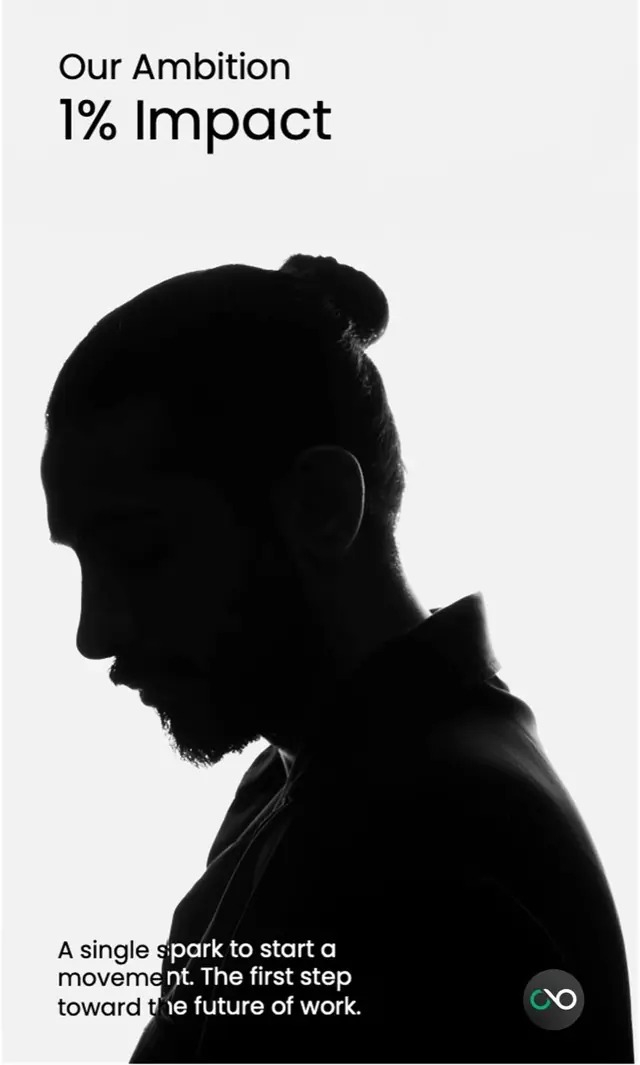
87,000 Reasons We Started CoBlack
There are 8.7 million people without a job across the US and Canada. Our ambition is to help one percent of them, and this is the plan.